
Imagine looking across a quiet Scottish loch and realizing that an animal missing from this landscape for centuries is swimming there once again.
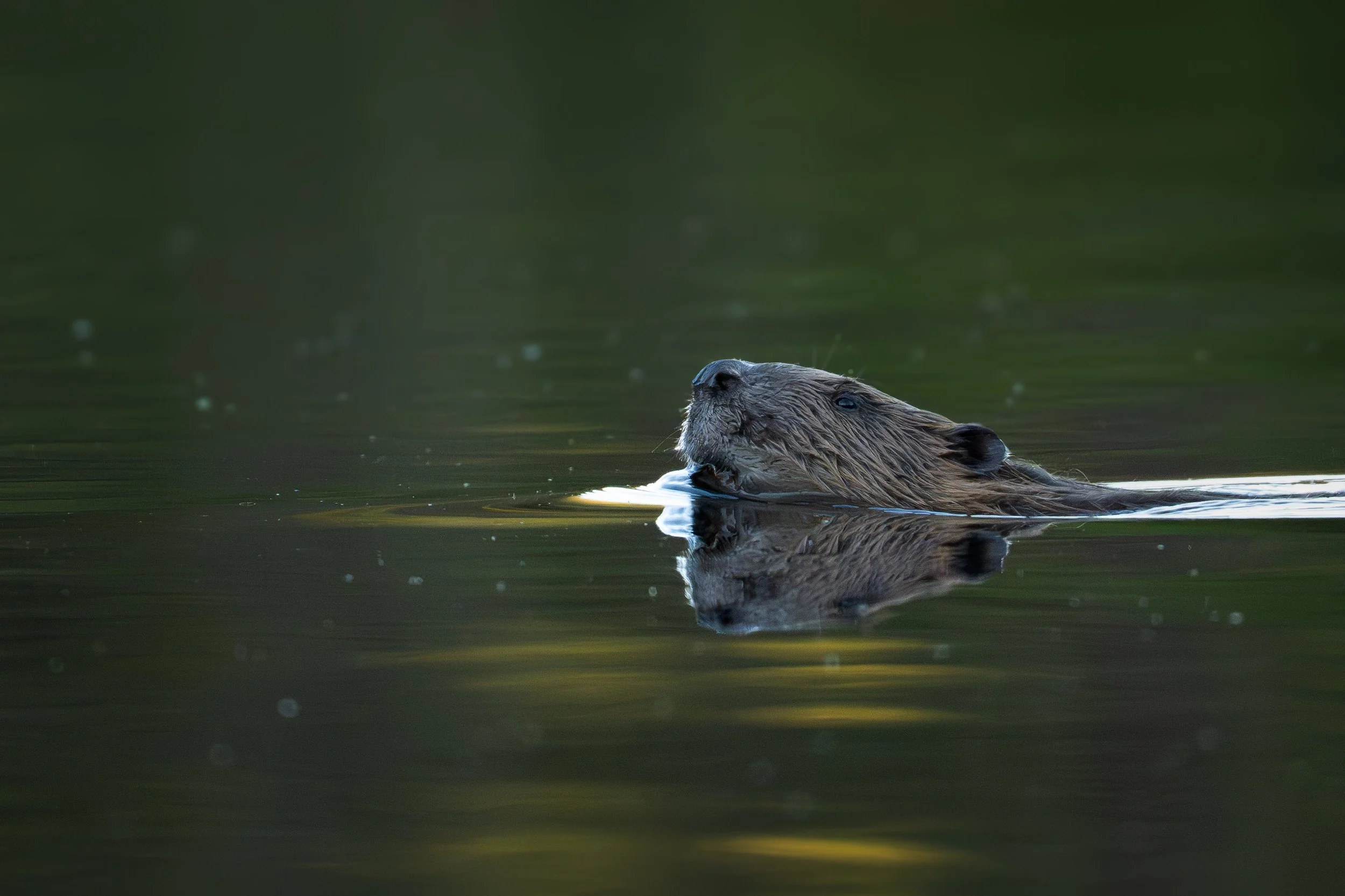
It sounds like something from a nature documentary, but this is a real conservation story unfolding in the Scottish Highlands. In early November 2026, a family of six Eurasian beavers was released into the Loch Ness catchment, marking a remarkable milestone for wildlife restoration.
The animals arrived at a small loch on the Dundreggan rewilding estate in Glenmoriston. Their return represents more than the arrival of six individual animals. It is the beginning of a carefully planned effort to restore a species that once played an important role in Scotland's freshwater ecosystems.
1. A Journey Home After Five Centuries
The Eurasian beaver, scientifically known as Castor fiber, is native to Scotland. However, centuries of hunting for fur, meat and other products caused the animals to disappear from the country.
Historical records place beavers beside Loch Ness in the sixteenth century. Since then, the landscape has changed dramatically. Generations have grown up without seeing these remarkable ecosystem engineers living in the local waterways.
Now, that story is changing.
The first six animals were relocated from elsewhere in Scotland under a licence granted by NatureScot. Their new home is part of Trees for Life's 10,000-acre Dundreggan rewilding estate.

2. Why Beavers Are So Important for Nature
Beavers are sometimes described as nature's engineers. Unlike many animals, they can physically transform the environments in which they live.
Their famous dams are built using branches, mud, stones and other natural materials. These structures can slow moving water and create ponds and wetlands.
And those wetlands can become extraordinary places for wildlife.
A New Home for Many Other Species
When beavers create wetlands, they can provide habitats for frogs, dragonflies, insects, aquatic plants and many other organisms. Birds and bats can also benefit from the increased availability of food.
A single beaver family can therefore influence an entire ecosystem. The animals are not simply returning to live alongside other wildlife. They can help create conditions in which other species thrive.

Helping Water Move More Naturally
Beaver dams can slow water flowing through smaller streams. This can help trap sediment, improve some aspects of water quality and create areas that hold water during dry periods.
Beaver-created wetlands may also provide natural water storage and damp refuges for wildlife during periods of drought or increased wildfire risk.
However, the benefits depend on the landscape. Beaver activity can also create challenges for farmland, drainage systems, roads and fish movement. That is why careful monitoring and responsible management are important parts of this project.
3. The Ambitious Plan to Bring More Beavers Back
The first release is only the beginning.
The Ness Beaver Project, led by Trees for Life and Beaver Trust, aims to introduce at least 15 beaver family groups into suitable locations around Loch Ness over the next three years.
The proposed locations include lochs, smaller lochans and rivers within the wider catchment. The project also involves cooperation with Forestry and Land Scotland and other local stakeholders.
Rather than simply releasing animals and walking away, conservation teams plan to provide ongoing support, research, monitoring and practical advice.
How the Project Is Moving Forward
NatureScot grants the licence for the historic beaver reintroduction initiative.
The first family of six beavers is released at Dundreggan in the Loch Ness catchment.
The project plans further releases, with a target of at least 15 family groups across suitable locations.
4. A Win for Wildlife, Communities and Future Generations
Wildlife conservation is not just about protecting individual animals. It is also about rebuilding the relationships between species, habitats and the natural processes that keep ecosystems functioning.
The return of beavers could create new opportunities for environmental education, nature tourism and scientific research in the Highlands.
Dundreggan is already home to a rewilding centre where visitors can learn about nature restoration. Once the animals have settled, Trees for Life plans to develop guided opportunities for people to discover beaver activity in the landscape.
Imagine a future visit where someone walks beside a quiet Highland lochan, notices freshly gnawed branches and discovers the signs of a beaver family living nearby.
For children, students and nature lovers, experiences like these can make conservation feel real and meaningful.
5. Conservation Also Requires Listening and Cooperation
There is an important side of this story that deserves attention. Reintroducing wildlife is not always straightforward.
Beaver dams and burrowing activities can sometimes affect agricultural land, drainage infrastructure and waterways used by fish.
Salmon and trout need to move through freshwater systems, particularly during important stages of their life cycles. Their needs must be considered as beaver populations expand.
The Ness Beaver Project has involved discussions with local communities and land managers. Ongoing monitoring and practical support are intended to help people and wildlife coexist.
6. Why This Story Matters Beyond Scotland
Although this project is happening in the Scottish Highlands, its message is relevant to people across Europe and North America.
Across the world, conservationists are exploring ways to restore damaged ecosystems, protect freshwater habitats and bring native species back to suitable landscapes.
The return of beavers demonstrates how long-term conservation work, scientific research, community engagement and cooperation can create opportunities for nature to recover.
It also reminds us that some of the most effective environmental solutions can come from understanding the natural world rather than trying to control every part of it.
7. A Hopeful Future for the Scottish Highlands
The six beavers now living in the Loch Ness catchment represent a small beginning with potentially significant consequences.
Their success will depend on suitable habitats, healthy populations, careful monitoring and cooperation with local communities.
Over time, the landscape may develop new ponds, wetlands and habitats that support a wider variety of wildlife.
No one can predict exactly how the ecosystem will change. That is part of what makes this conservation story so fascinating: researchers and local communities will be watching the results unfold.
8. Sometimes, Nature Deserves a Second Chance
There is something deeply inspiring about seeing an animal return to a place where it once belonged.
Five centuries is a long time. Entire generations passed without seeing wild beavers around Loch Ness. Now, a new chapter has begun.
This is not a story about solving every environmental problem overnight. It is a story about patience, scientific knowledge, determination and the possibility of repairing some of the damage caused by human activity.
The beavers have made their return. The next chapter belongs to the people, researchers and conservationists working to ensure they have a future there.
This report is based on published information from the organizations and publications below. Wildlife photographs are illustrative and are not all photographs of the six animals released in November 2026.
1. Beaver Trust — Historic Return of Beavers to Loch Ness 2. Trees for Life — Ness Beaver Project 3. NatureScot — Beavers in Scotland: Frequently Asked Questions 4. STV News — Beavers Return to Loch NessMore Reasons to Love Wildlife
The Secret Life of Beavers
Discover how these remarkable mammals shape the freshwater environments around them.
Why Healthy Wetlands Matter
Learn how freshwater habitats support biodiversity and help landscapes become more resilient.


Comments
Post a Comment